
Blooming Homes

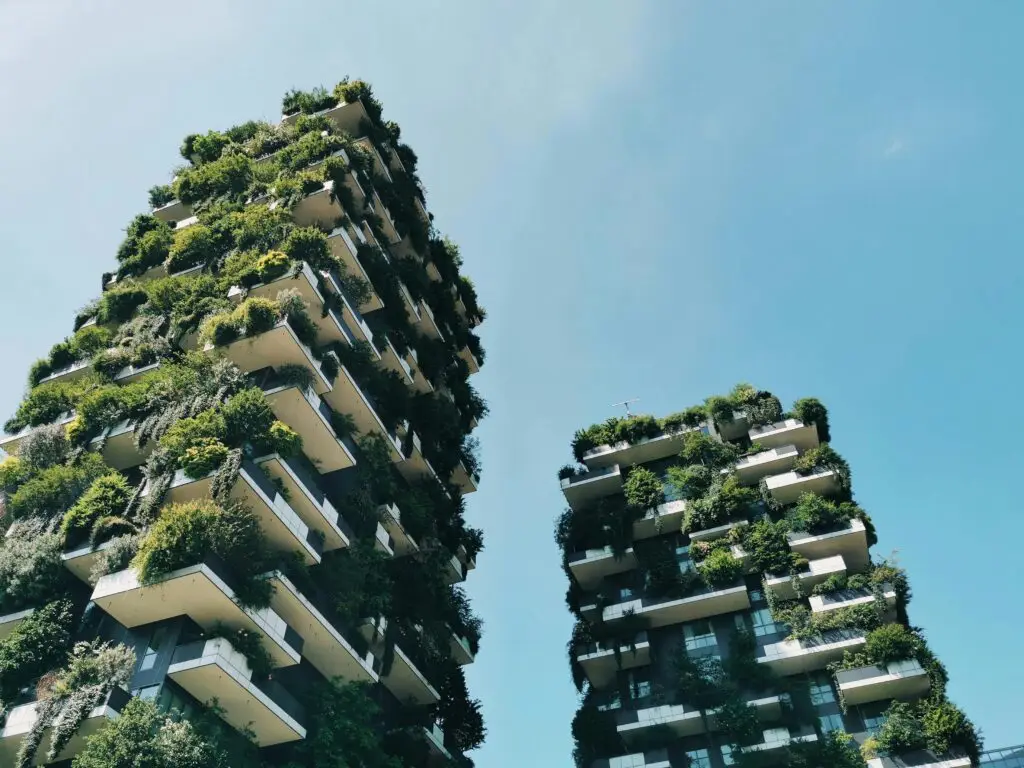
Bioarchitecture is a design philosophy and practice that seeks to harmonize human living spaces with the natural environment. It integrates ecological principles into the design and construction process, aiming to create buildings that are sustainable, healthy, and aesthetically pleasing. Here are the benefits bioarchitecture offers to us and the environment: **Benefits for Us (Humans):** * **Improved Health and Well-being:** Bioarchitectural buildings often use natural, non-toxic materials, leading to better indoor air quality and reduced exposure to harmful chemicals. This can alleviate respiratory problems, allergies, and other health issues. The integration of natural elements like plants and natural light can also reduce stress and improve mood. * **Enhanced Comfort:** Buildings designed with bioarchitectural principles often have better thermal regulation, meaning they stay cooler in the summer and warmer in the winter without excessive energy use. This creates a more comfortable living and working environment. * **Lower Living Costs:** Through energy efficiency (reduced heating, cooling, and lighting needs) and the use of durable, low-maintenance materials, bioarchitectural buildings can significantly reduce utility bills and long-term maintenance costs. * **Connection to Nature:** Bioarchitecture emphasizes incorporating natural elements and views, fostering a deeper connection with the outdoors, which is beneficial for mental and emotional health. * **Aesthetics and Satisfaction:** Bioarchitectural designs often showcase the beauty of natural materials and create unique, aesthetically pleasing spaces that residents and occupants find more satisfying. **Benefits for the Environment:** * **Reduced Energy Consumption:** Bioarchitecture prioritizes passive design strategies (like orientation, shading, and natural ventilation) and efficient building systems, drastically reducing the need for artificial heating, cooling, and lighting. * **Lower Carbon Footprint:** By using sustainable materials (often locally sourced and with lower embedded energy), minimizing waste during construction, and reducing operational energy consumption, bioarchitectural buildings contribute significantly to reducing greenhouse gas emissions. * **Conservation of Natural Resources:** The use of renewable materials, recycled content, and responsible sourcing helps conserve finite natural resources. Water conservation through rainwater harvesting and greywater recycling is also a common feature. * **Minimized Waste:** Construction and demolition waste can be substantial. Bioarchitecture aims to reduce waste through careful planning, material selection, and modular design. * **Improved Biodiversity:** Incorporating green roofs, living walls, and surrounding natural landscaping can create habitats for local wildlife and support biodiversity in urban and suburban areas. * **Healthier Ecosystems:** By reducing pollution from construction and operation, minimizing resource depletion, and promoting sustainable practices, bioarchitecture contributes to healthier local and global ecosystems. * **Water Management:** Bioarchitectural strategies often include systems for collecting and reusing rainwater, as well as managing stormwater runoff, which helps reduce strain on municipal water systems and prevent erosion and flooding.

Bioarchitecture is more than a trend; it's a solution to the environmental crisis. It creates spaces that integrate nature into the design, reducing the carbon footprint and improving well-being. Discover how this sustainable model can change your life.

 La sostenibilidad ha dejado de ser una moda temporal para convertirse en una necesidad inaplazable. En un contexto de emergencia climática y creciente conciencia social, el sector inmobiliario tiene un papel clave en la transformación hacia un modelo más responsable. En Blooming Homes creemos firmemente que el futuro de la vivienda pasa por la bioarquitectura.

¿Qué es la bioarquitectura?

La bioarquitectura es una evolución de la arquitectura sostenible que diseña y construye edificios en armonía con la naturaleza. No se trata solo de crear espacios estéticos y funcionales, sino de integrar factores como el clima, la orientación solar, los materiales locales y el impacto ambiental desde la fase inicial del proyecto.

Este enfoque está estrechamente ligado a la arquitectura bioclimática, que busca aprovechar los recursos naturales —como el sol, el viento o la vegetación— para reducir el consumo energético y mejorar el confort interior.

Principios clave de la bioarquitectura

Uno de sus pilares fundamentales es la eficiencia energética. Esto implica diseñar viviendas con excelente aislamiento térmico natural (fibra de madera, lana de oveja o celulosa reciclada), ventilación cruzada, iluminación natural optimizada y sistemas de energías renovables como paneles solares.

También se priorizan materiales ecológicos, reciclables y de proximidad, reduciendo así la huella de carbono y fomentando la economía local. Además, cada edificio se adapta a la topografía y al ecosistema del entorno, en lugar de modificar el paisaje para ajustarlo a la construcción.

Beneficios para las personas y el planeta

La bioarquitectura aporta ventajas claras y medibles:

  • Reducción del impacto ambiental: menor consumo energético y menos emisiones de CO₂.
  • Ahorro económico: facturas energéticas más bajas gracias a la autosuficiencia.
  • Mayor bienestar y salud: mejor calidad del aire, iluminación natural y confort térmico estable entre 17 °C y 27 °C.
  • Resiliencia climática: edificios preparados para afrontar cambios extremos.

Además, estos espacios fomentan una conexión directa con la naturaleza, lo que mejora el equilibrio emocional y la productividad.

La vivienda del futuro empieza hoy

La bioarquitectura no es una moda, es una respuesta real a la crisis ambiental actual. Apostar por viviendas sostenibles significa invertir en calidad de vida, ahorro a largo plazo y responsabilidad con el entorno.

At Blooming Homes trabajamos para que los hogares no solo se adapten a las necesidades de quienes los habitan, sino también al planeta. Porque construir mejor es vivir mejor.

Share the Post:

Related Posts

Bioarchitecture is a design philosophy and practice that seeks to harmonize human living spaces with the natural environment. It integrates ecological principles into the design and construction process, aiming to create buildings that are sustainable, healthy, and aesthetically pleasing. Here are the benefits bioarchitecture offers to us and the environment: **Benefits for Us (Humans):** * **Improved Health and Well-being:** Bioarchitectural buildings often use natural, non-toxic materials, leading to better indoor air quality and reduced exposure to harmful chemicals. This can alleviate respiratory problems, allergies, and other health issues. The integration of natural elements like plants and natural light can also reduce stress and improve mood. * **Enhanced Comfort:** Buildings designed with bioarchitectural principles often have better thermal regulation, meaning they stay cooler in the summer and warmer in the winter without excessive energy use. This creates a more comfortable living and working environment. * **Lower Living Costs:** Through energy efficiency (reduced heating, cooling, and lighting needs) and the use of durable, low-maintenance materials, bioarchitectural buildings can significantly reduce utility bills and long-term maintenance costs. * **Connection to Nature:** Bioarchitecture emphasizes incorporating natural elements and views, fostering a deeper connection with the outdoors, which is beneficial for mental and emotional health. * **Aesthetics and Satisfaction:** Bioarchitectural designs often showcase the beauty of natural materials and create unique, aesthetically pleasing spaces that residents and occupants find more satisfying. **Benefits for the Environment:** * **Reduced Energy Consumption:** Bioarchitecture prioritizes passive design strategies (like orientation, shading, and natural ventilation) and efficient building systems, drastically reducing the need for artificial heating, cooling, and lighting. * **Lower Carbon Footprint:** By using sustainable materials (often locally sourced and with lower embedded energy), minimizing waste during construction, and reducing operational energy consumption, bioarchitectural buildings contribute significantly to reducing greenhouse gas emissions. * **Conservation of Natural Resources:** The use of renewable materials, recycled content, and responsible sourcing helps conserve finite natural resources. Water conservation through rainwater harvesting and greywater recycling is also a common feature. * **Minimized Waste:** Construction and demolition waste can be substantial. Bioarchitecture aims to reduce waste through careful planning, material selection, and modular design. * **Improved Biodiversity:** Incorporating green roofs, living walls, and surrounding natural landscaping can create habitats for local wildlife and support biodiversity in urban and suburban areas. * **Healthier Ecosystems:** By reducing pollution from construction and operation, minimizing resource depletion, and promoting sustainable practices, bioarchitecture contributes to healthier local and global ecosystems. * **Water Management:** Bioarchitectural strategies often include systems for collecting and reusing rainwater, as well as managing stormwater runoff, which helps reduce strain on municipal water systems and prevent erosion and flooding.