

The cadastral reference is an official code that unequivocally identifies each property. It consists of a combination of numbers and letters and allows a specific dwelling to be located within the Cadastre database. Knowing this data is useful in numerous property-related procedures, so it is worth knowing where to find it and how to consult it.
One of the simplest ways to obtain it is to access the Electronic Registry Office. From its search engine, you can locate a property by entering different data, such as the province, municipality, road, and number. When the address is correctly identified, the system displays the cadastral information associated with the property. There is also the possibility of using mapping to visually locate a plot of land or a building.

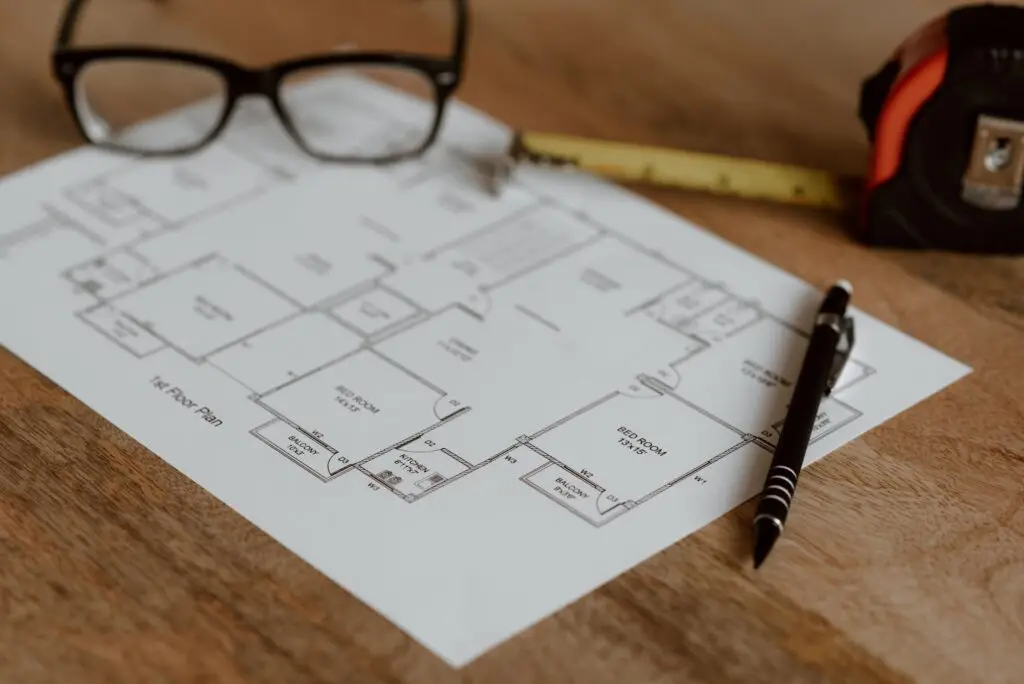
However, it is not always necessary to conduct an online search. The cadastral reference usually appears in documentation related to the property. For example, it can be consulted in certain IBI receipts, deeds, cadastral certificates and other administrative documents. If the owner has recent documentation, checking these documents can be the quickest way.
It is also important to distinguish between concepts that can create confusion. The cadastral reference identifies the property, but it is not its cadastral value or its reference value. The cadastral value is used, among other things, for certain tax calculations, while the reference value has its own tax purposes. Therefore, they should not be used as if they were equivalent terms.
Before selling or buying a property, checking the reference can also serve to verify that the information about the property matches the available documentation. In some cases, there may be differences between the data listed in the Land Registry, the Property Registry, and the actual physical characteristics of the property. A discrepancy does not necessarily mean that there is a problem, but it may be advisable to analyze its origin before proceeding with the transaction.


For those preparing a purchase or sale, having the cadastral reference located also makes it easier to organize other documents and procedures. Blooming Homes We believe that reviewing this data in advance is part of proper home preparation before putting it on the market.
In short, obtaining the cadastral reference is relatively simple, but checking that the data is correct and that it matches the rest of the documentation can be even more important. A small preliminary review helps avoid confusion when it comes time to sell, buy, or perform any other management of the property.