

Selling an inherited property is a common transaction, but also one of the most delicate. In many cases, a significant emotional burden is added to the legal complexity. That's why having a clear understanding of the process is essential to avoid mistakes and make decisions with confidence.
The starting point is always the acceptance of the inheritance. This process involves gathering key documentation and formalizing the award of assets. Without this step, it is not possible to move forward with the sale. Once completed, the property legally becomes the property of the heirs.

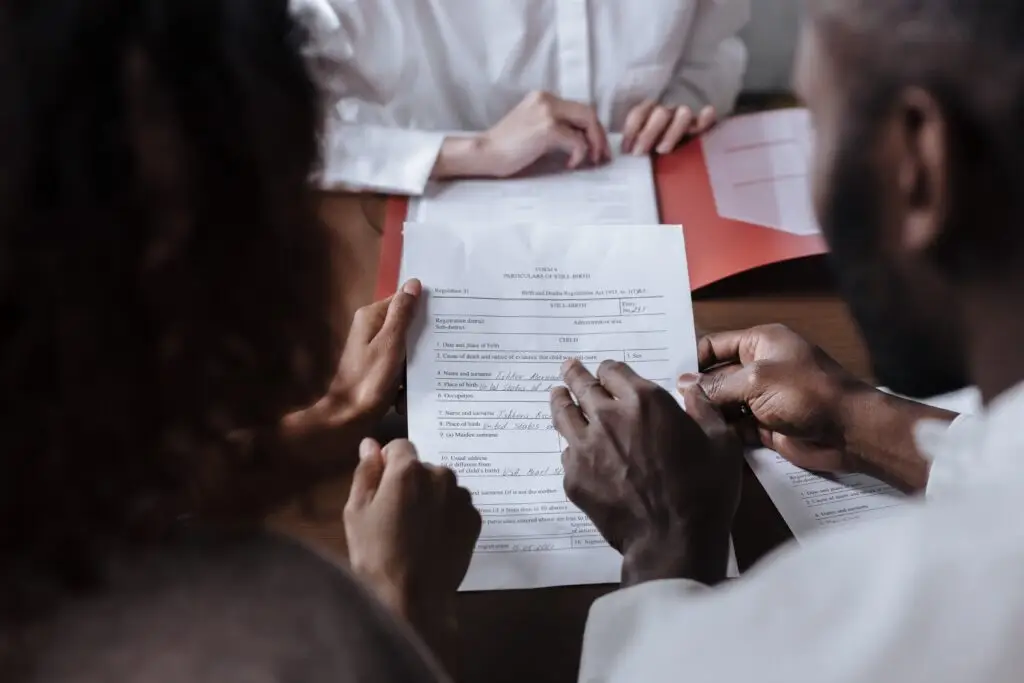
Next, it is necessary to address the associated taxation. Payment of the Inheritance Tax and the municipal capital gains tax is mandatory before the property can be transferred. These costs vary depending on the location and characteristics of the property, so it is advisable to analyze them in detail to avoid surprises.
When there are multiple heirs, a key factor comes into play: agreement between the parties. Joint decision-making can be straightforward or become a sticking point if there is no consensus. Establishing clear communication from the start and defining common goals greatly facilitates the process.
Once the legal phase is over, the commercial part begins, which doesn't differ too much from a traditional sale, but it does have nuances. Many inherited homes require some fine-tuning before going on the market. Small improvements, tidiness, and good presentation can make a difference in the final outcome.


In addition, it is important to consider the potential capital gains tax after the sale. Depending on the acquisition value and the final price, there may be a tax burden that must be taken into account beforehand.
Ultimately, selling an inherited property requires planning, coordination, and knowledge of the process. Blooming Homes We accompany our clients through every phase and work to simplify each step, bringing clarity and helping the transaction close without unnecessary complications.