
Signing a rental agreement may seem a straightforward process, but an incomplete drafting or the inclusion of clauses contrary to the regulations can lead to conflicts between the owner and the tenant. Therefore, it is essential that the document covers all essential aspects and complies with current legislation.
The first essential element is the correct identification of the parties. The details of the landlord and the tenant must appear, as well as the full address of the property being rented. In addition, it is advisable to include a description of the property and, if applicable, of any associated parking spaces, storage rooms or annexes.


Another basic aspect is the duration of the contract. Although the parties can agree on an initial term, legislation establishes minimum periods of stay for habitual rental housing that cannot be eliminated through contractual clauses. Including a duration shorter than that stipulated by law is one of the most common mistakes.
The monthly rent must also be clearly defined, indicating the method of payment, the date of payment, and the procedure for updating it. If the contract does not explicitly include the possibility of revising the rent, it will not be possible to require such an update later.
Equally important is to specify the legal bond and, where appropriate, the additional guarantees. The regulations set limits on these amounts, so demanding amounts higher than these can render certain clauses null and void.
The contract should also regulate who assumes certain expenses, ordinary and extraordinary repairs, the maintenance of the home, and possible renovations. Ambiguous wording is often the source of numerous disagreements between the parties.

The mandatory documentation must not be forgotten. The energy efficiency certificate is essential for renting a home, and depending on the autonomous community, the certificate of habitability may also be required.
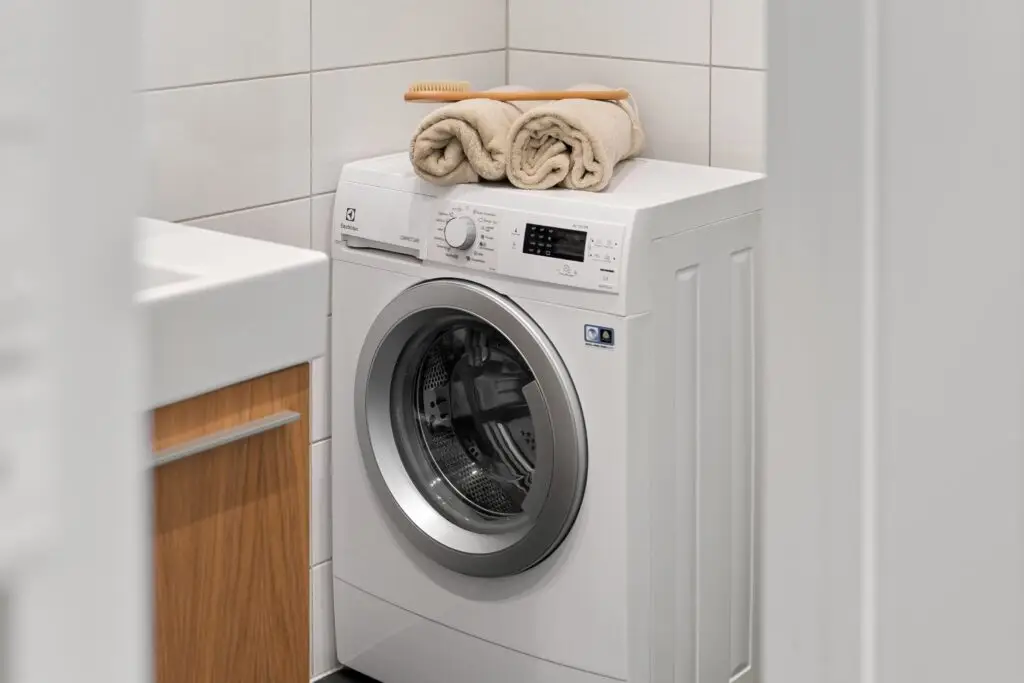
In addition, it is advisable to include an inventory when the property is rented furnished, reflecting the state of preservation of the furniture and appliances. This document will facilitate the resolution of any issues that may arise at the end of the lease.
From Blooming Homes We recommend carefully reviewing each contract before signing it. A complete document, adapted to the regulations and drafted clearly, offers greater legal certainty for both owners and tenants and significantly reduces the risk of future conflicts.