
Home Staging has established itself as a key tool in modern real estate sales, but its true value lies not in aesthetics, but in its return on investment (ROI). Understanding how it is calculated allows for more strategic and profitable decisions.
The ROI of Home Staging is based on a simple formula: comparing the financial profit generated with the total cost of the intervention. However, the profit is not solely the final sale price, but rather a set of factors that directly influence profitability.

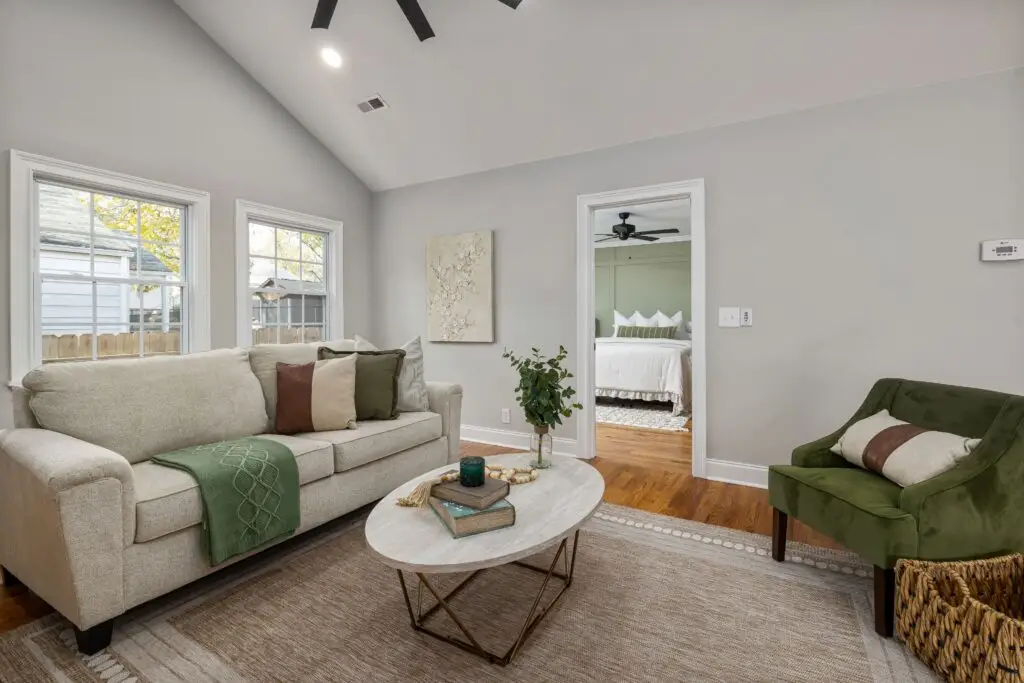
The first element is the increase in perceived value. A well-presented home can generate more interest, which translates to offers closer to the asking price or even higher in competitive markets. Although the market value does not formally change, the buyer's perception does.
The second factor is the reduction of time on the market. A home that sells faster reduces associated costs such as the mortgage, maintenance, utilities, or HOA fees. This saving must be incorporated into the return calculation.
The third element is the reduction of negotiation. Unprepared homes typically suffer more aggressive discounts from buyers. Home Staging reduces this pressure by creating a better first impression.

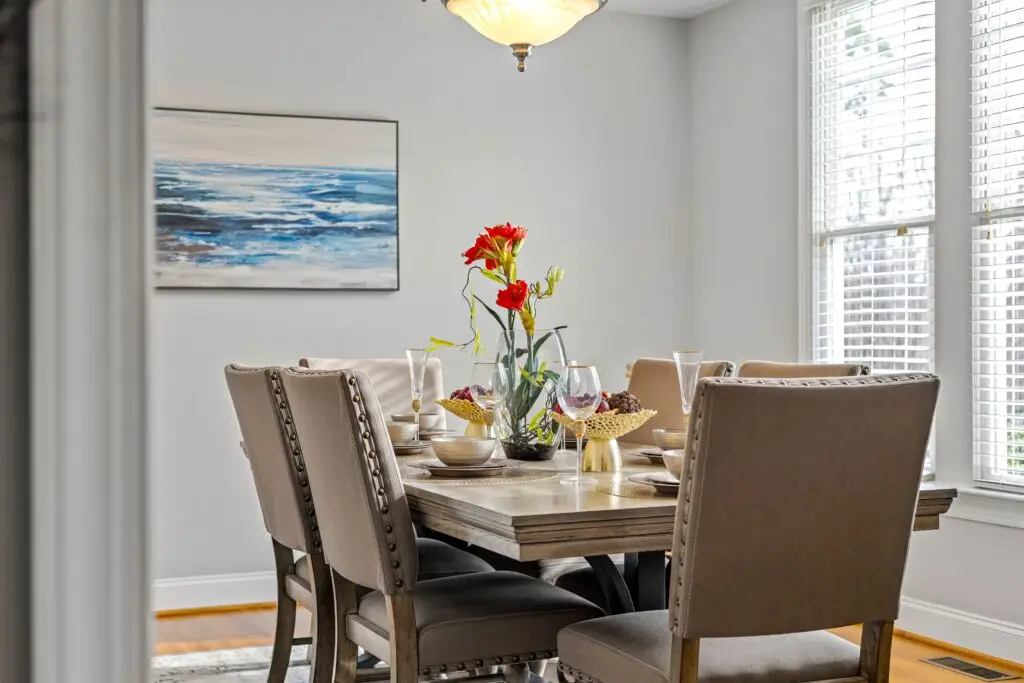
The cost of Home Staging includes consulting, redistribution or furniture rental, temporary decoration, visual improvements, and professional photography. This cost is fixed and easily measurable, allowing it to be compared with the impact generated.
The final formula would be: ROI = (profit from price improvement + savings from speed of sale + reduction in discounts – cost of home staging) / cost of home staging.
At Blooming Homes, this analysis is performed on every project to ensure that the intervention not only improves the property's aesthetics, but also has a positive and measurable economic impact for the owner.